Cooling Our Fall . . .

Photo by: jplenio at pixabay.com

— a haiku septet by tkbrown

Nights are cooler now,
the days unbearably hot.
Fall will be here soon.

Cooler nights begin
to cool both ends of the days --
morning and evening.

Then the midday temp
brings forth a welcome relief -
color's bright array!

Hills and vales display
bright colors on God's palette -
Fiery, vibrant view!

Apples and pumpkins,
with acorn and butternut -
paint the food display.

Everywhere colors
show mellowing with the age -
quaintly beautiful!

Paving a path with love
as the end appears ahead -
a transitioning!

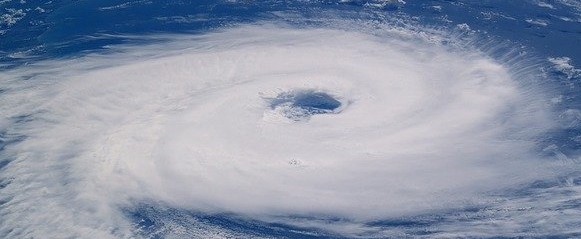
Hurricane

~~ a haiku ~~

~~ by tkbrown
The hurricane blows,
a big limb spikes through the roof --
squirrel babes need home

~~~~~~~~~~

Haiku The traditional Japanese haiku is a three-line poem with seventeen syllables, written in a 5/7/5 syllable count format The haiku often focuses on images from nature. It emphasizes simplicity, intensity and directness of expression.

Haiku began in thirteenth-century Japan as the opening phrase of ‘Renga’, an oral poem which generally was one hundred stanzas in length — also composed syllabically. The much shorter haiku broke away from the renga in the sixteenth century. It was mastered a century later by Matsuo Basho, who wrote the following classic haiku:

An old pond!
A frog jumps in.
The sound of water.

As the haiku form has evolved, many rules have been broken. However, the philosophy of haiku has been preserved: the focus on a brief moment in time, a use of provocative, colorful images, an ability to be read in one breath; and a sense of sudden enlightenment and illumination.

The haiku philosophy influenced poet Ezra Pound, who noted the power of its brevity and juxtaposed images. He wrote, “The image itself is speech. The image is the world beyond formulated language (The Academy of American Poets).

Source: The Academy of American Poets. (29 February 2016). “Haiku: Poetic Form.” (10 September 2019). https://poets.org/text/haiku-poetic-form.

~~~~~~~~~~

Photo Above: by skeeze @ pixabay.com.
<p class="has-text-align-center" value="<amp-fit-text layout="fixed-height" min-font-size="6" max-font-size="72" height="80"><strong>~~~~~~~~~~</strong>~~~~~~~~~~

Lead: paint and other things II

~~ a Quindecim ~~

~~ by tkbrown
It took four years to devise a plan,
ten more to set it in place.
Anti-corrosive coating coursed through the pipes
for they hoped to at least save face.
A sample testing every six months
until they reached the target space.
That small random sample, selected how?
The plan did not ever specify that.
So, do they pick the few known to be safe?
Or, do they were devil's advocate hat
and pick some of both groups of ordinance plats --
then celebrate with both keg and vat?
Why then, test only every three years,
and why does it seem they allay their fears
by doing testing themselves instead of contracting 'all clears'?

~~~~~~~~~~

Quindecim: A Poetic Form that has developed rather naturally as I have written much regarding political and daily living events. The fifteen line stanza seems to work wonderfully by allowing twelve lines to describe the developing arena. Then the last three present some new development that throws a ‘curve ball’ into the mix. There is no specific syllabic or metric count. It is, however, rhymed with no set pattern. The patterns used should recur in a later quindecim when the poem consists of several stanzas. There is no set pattern for the recurrence.

~~~~~~~~~~

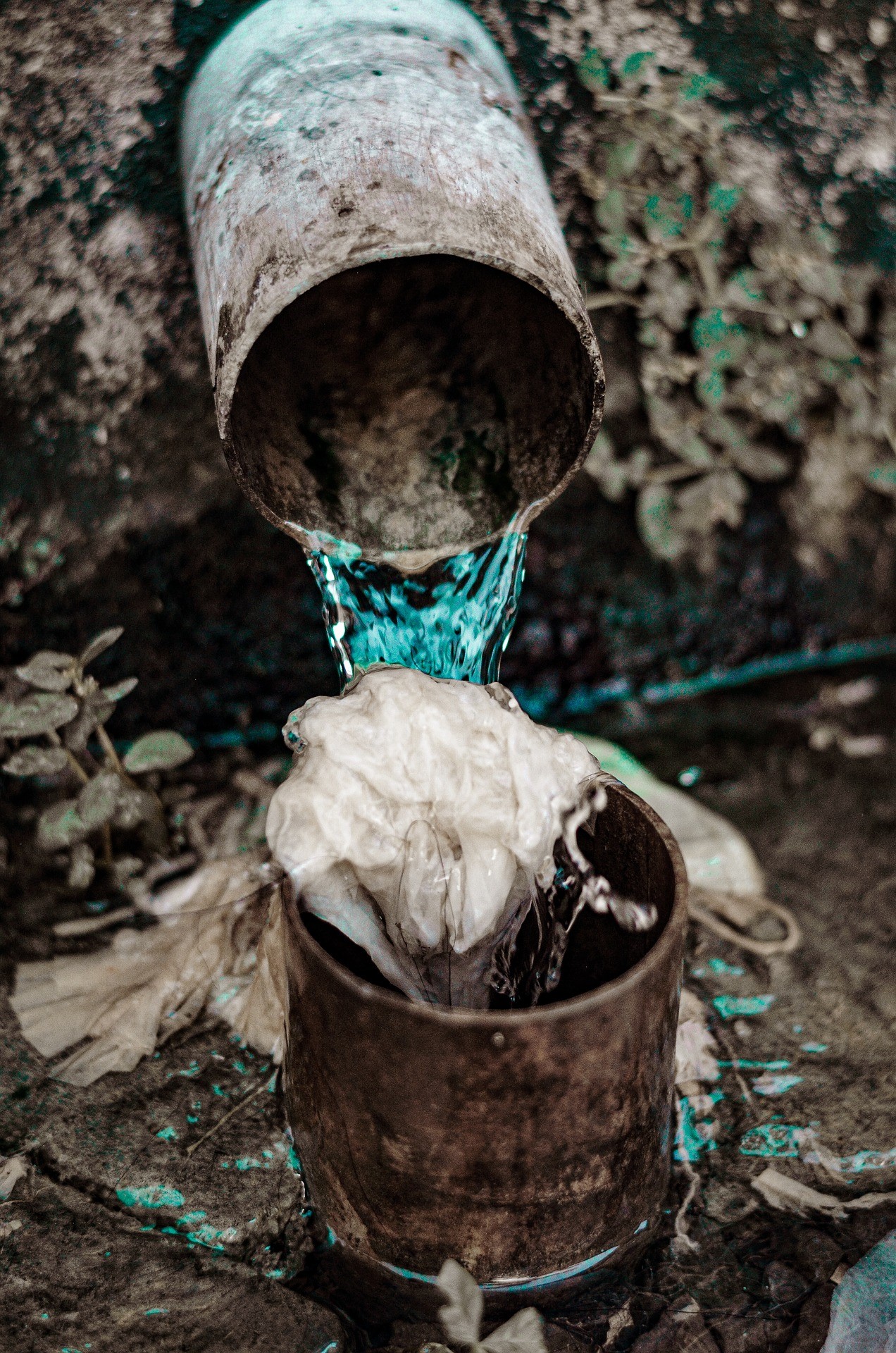
Photo Above: by Dhito 10 @ pixabay.com.
<p class="has-text-align-center" value="<amp-fit-text layout="fixed-height" min-font-size="6" max-font-size="72" height="80"><strong>~~~~~~~~~~</strong>~~~~~~~~~~

Lead: paint and other things

~~ a Quindecim ~~
~~ by tkbrown
Lead paint was said to harm our babes;
we must scrape it all away.
'Twas taken to heart, and most did in spade
abide that law with dread array
of the fate to come their way
if 'twas not done as law did say.
So, homes were scraped inside and out,
then scrubbed with bleach for brand new paint.
The child of those who did sulk and pout,
'twas removed until parents' mood did abate.
Toys with lead, stores removed on that date,
but now WE learn of quite a spate.
That government did make those laws
but did not remove it from those claws
before they fed them with 'those paws.'

~~~~~~~~~~

Quindecim: A Poetic Form that has developed rather naturally as I have written much regarding political and daily living events. The fifteen line stanza seems to work wonderfully by allowing twelve lines to describe the developing arena. Then the last three present some new development that throws a ‘curve ball’ into the mix. There is no specific syllabic or metric count. It is, however, rhymed with no set pattern. The patterns used should recur in a later quindecim when the poem consists of several stanzas. There is no set pattern for the recurrence.

~~~~~~~~~~

Photo Above: by Dhito 10 @ pixabay.com.

~~~~~~~~~~

Love . . .

by tkbrown

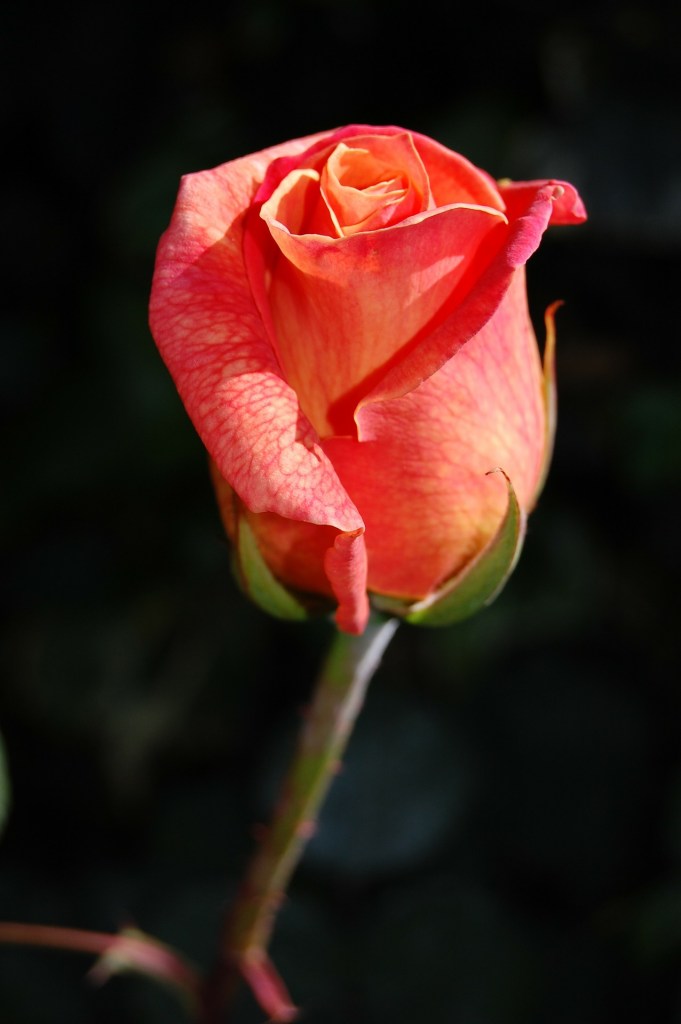
Love is like
the petals of a rose
soft and sweet
against your nose
with drops of dew
that actually glow.

So very slowly
the feeling grows
until you’re sure
that everyone knows
the love you feel
deep in your heart
for the one with whom
you never will part.

Written 1968 – First Love


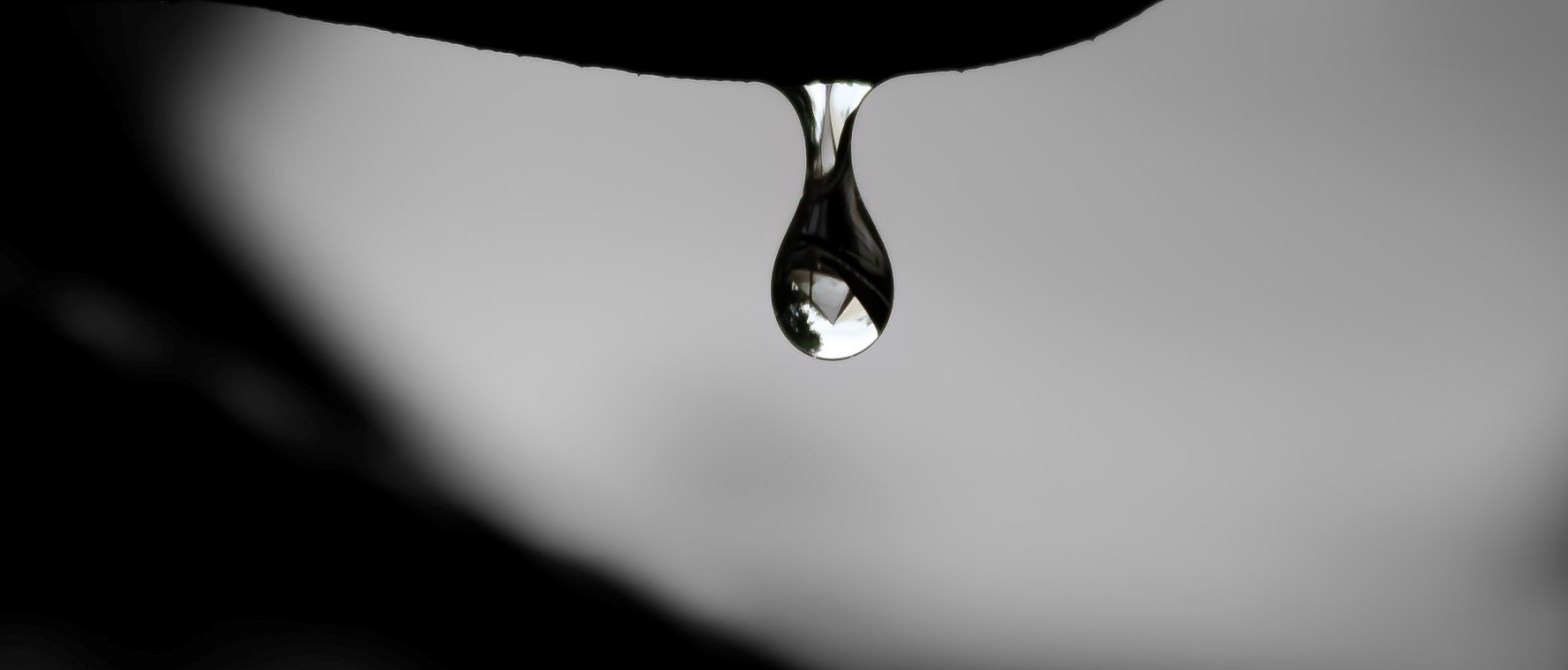
Drip!

~~ a Senryu ~~

~~ by tkbrown

Drip! Drip! Drip! Drip! Drip!

The sound is haunting, daunting —

Music to the ears!

~~~~~~~~~~

Senryu – According to Merriam-Webster (2019), the ‘Senryu’ is “a three-line unrhymed Japanese poem that is structurally similar to the haiku but treating human nature usually in an ironic or satiric vein.”

Source: Merriam-Webster: Dictionary: Since 1828. (2019). “Senryu.” (Accessed 11 September 2019). https://www.merriam-webster.com/dictionary/senryu.

~~~~~~~~~~

Photo Above: by Mayank Dhanawade @ Unsplash.

~~~~~~~~~~

Summer into Fall . . . a haiku by tkbrown

Summer’s hottest days

are the ones toward its end —

and then, fall begins.

Just some thoughts on 9/11 – Eighteen years ago today – the day known as 911 – the people of this country united as one against ‘the enemy’. Patriotism was at a pinnacle for a long time after that day. Now, patriotism is viewed as ‘far right’. This view is so far left that it does not even recognize itself.

When the best thing that can be said denigrates another, that is not patriotism – it is denigration. I would like to see some more of that patriotism that was so strong after 9/11. I hope it does not take another attack on our country to bring it back.