My Morning Do . . . Writing Interrupted

~~ by tkbrown

21 January 2021 — I want to apologize for being absent so long. My computer was hacked and contracted a Trojan virus in early December. I just now am back up and running. It has been an interesting experience. I won’t bore you with the details. But, I will say I am learning a lot to facilitate my writing in the future. Each day brings new lessons in Internet Technology (IT), Artificial Intelligence (AI), and a host of other concepts.

I was beginning to feel lost without my computer and the ability to write productively. I find I must type when I write. When I try to write my thoughts by hand, my brain goes much faster than I can write. So, I tend to lose a lot of my thoughts before I can put them to paper. When I sit down to type, more often than not, my thoughts seem to flow through my fingertips to the keys beneath them. Thus, another thing I have learned during this time of absentia is that my computer is a great writing companion.

I see that many of you have checked daily for my return, and I am very appreciative of your loyalty. You are each a true blessing to me, and I will do my best to make up for my absence. You have shown me, beyond any doubt, the true allegiance of your following. When I said I needed to take time for the writing of my books and not make quite so many posts, I did not intend to go a month or more between postings. Thank You for bearing with me.

~~~~~~~~~~

Photo Above: by Aaron Burden @Unsplash.com.

~~~~~~~~~~

History in the Making . . .

~~ by tkbrown ~~

20 January 2021 — Today, as the world looked on, we here in the United States of America were writing history books. The recent past has been filled with opinions, opines, differences, similarities, divisions, bridges, peacemakers, rioters, love, hate, sickness, health, and all that is in-between. Each new day brought its own headline: Covid-19, politics, the politics of the virus, mutations, commutations, charges, pardons, verdicts, blame, and forgiveness. Some have learned and gained from the lessons of the past year while others have lost–both literally and figuratively. In the end, it all came down to today. The world saw a whole new view in America: a woman — Kamala Harris — was sworn in as Vice-President.

The concept of seeing a woman positioned as a leader in the upper echelons is new to America. There have been inroads toward this moment for at least a century and a half. While other countries around the world reached this milestone long ago, America — the comparatively new kid on the block — took her time. Many women have attempted to attain the goal of President or Vice-President, but all have fallen short of the achievement–until today. Kamala Harris set her eyes upon this goal some time ago. Today, as an African American, South Asian American, female American — the daughter of immigrants who chose to make America their home — was sworn in as Vice-President of the United States of America. Vice-President Harris achieved her goal.

There are those who say America is made up of bigoted racists. I believe today proved them wrong. As my old mother used to say, “The proof is in the pudding.” Today, the pudding in America’s melting pot rang true, and no victory could be finer. Once again, America has stood to the task and proved her ideals are still “alive and kicking.” When put to the test, Americans are winners, if they choose to be.

As a child, I was taught to never act in a racist manner toward any other person regardless of that person’s color or country of origin. As a teenager, I wrote my first poem about race relations. When my children were young, I began advocating for the underprivileged including children, people with disabilities, and people of color. As my children grew to adulthood, I tried to instill a respect toward all people and I continued my advocacy in the professional realm.

As we turned the page to a new chapter in America’s history, today the world witnessed the true potential for all who choose to make America their home. May God Bless America and all who live within her borders, and may we show the world the true colors of love and acceptance.

~~~~~~~~~~

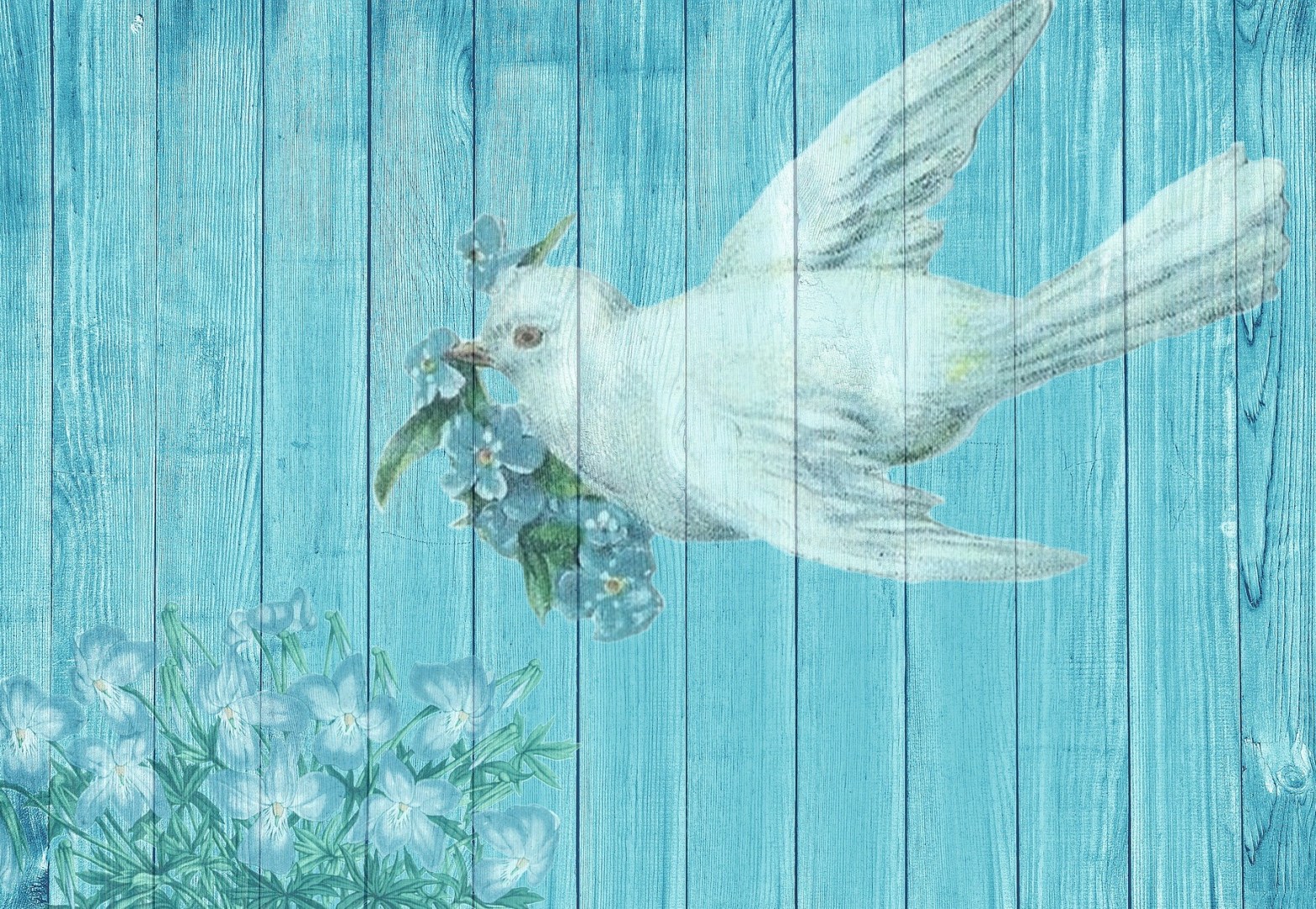
Picture Above: by Gerd Altman @pixabay.com.

~~~~~~~~~~

January 2021

~~ a calendar quindecim ~~

by tkbrown
Shifting Sands
The times, they are a changin
as they shift from side to side--
change to this, change to that, then
they shift the great divide.
It's kinda like a marriage;
each new wife brings a change--
a new ride in a new carriage,
new underwear for a new gage.
A new hairdo brings changes too;
with each new woman comes a new view--
new hair for a trip to the zoo
and new food for all to chew.
But somehow, it always stays the same,
a new ball for the same old game
spices things up when they get too tame.

~~~~~~~~~~

Photo Above: by Amy Torbenson @unsplash.com.

~~~~~~~~~~

My Morning Do . . . Down on the Farm – III

Hot Water

~~ by tkbrown ~~

16 December 2020 — My recent experience with a hot water heater that suddenly died in the middle of a shower on a cold winter morning brought back memories of growing up on the farm. During my seventeen and a half years of living at home, we never had running water. Until seventh grade, we lived in the clapboard house on my uncle’s forty acres with the back forty belonging to our family. While there, we carried water from an old dug well, which—I am guessing—was about one-hundred yards down the hill. The well was twenty to thirty feet deep and about six feet in diameter. The walls were rocked in and a concrete slab had been poured across it with an opening about two-feet square over which we kept a wooden lid laid atop the concrete. We used a two-and-a-half-gallon galvanized bucket on a chain to draw the water from the well. Then we poured the water into water buckets (of same or larger size) and carried them up the hill.

By the time we moved, I was just developing enough strength to think about carrying a bucket on each arm—but I was still carrying only one bucket. My older sister carried two five-gallon buckets at a time. Inside the home, we would fill two water buckets and one or two ten-gallon-cans for use the next day. The next night, it was all to be done again.

After meals, we heated water on the stove to wash the dishes and the milking vessels. Water was also heated each morning for old-fashioned sponge-baths. This did not present much of a problem except during the cold winter months. Our bedrooms were not heated; so, we learned to do a very thorough cleansing (from our face to our toes) in a hurry. Then we ate breakfast and readied ourselves for the bus on weekdays.

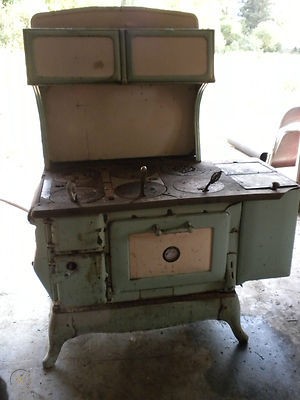
On Saturdays, we usually washed clothes outside using our old Maytag wringer washer with two rinse-water tubs. An aunt and uncle had a portable crank wringer which we borrowed and placed between the two tubs to wring the water from the clothes after each rinse. Then, they were hung on the line to dry. Prior to the actual washing of the clothes, the water to fill the washer and the tubs had to be carried up the hill too; after which we heated water for the wash on the old wood cook stove.

Things moved along rather smoothly for the most part during the warmer months, and the clothes were soon dry. During the winter months, the clothes froze-dry on the line. They would literally freeze, then the wind would dry the ice from them. After bringing them in from the lines, we would fold and store all other than the outer-wear garments. Those, we sprinkled with a water and starch solution and stored them in a plastic bag to keep them from drying again before we could iron them. I started sprinkling the clothes when I was about seven or eight. When I was nine, I began to learn how to iron—beginning with men’s dress shirts. After sprinkling all clothes to be ironed, the ironing began for the week ahead. If the task was not completed by end of day, the remaining clothes in the plastic bag were stored in the refrigerator until more could be ironed.

Our sprinkler was an old two-liter Coca-Cola glass bottle—lightly tinted green–with a sprinkler stopper that fit perfectly in the top. After ironing, some of the men’s dress pants were hung with stretchers in the legs. This kept the creases in place.

Our well was spring fed. During the hottest months of summer—sometimes June, always July and August—it would dry up. When this happened, we took the back seat out of our old ’46 Mercury and put ten-gallon cans in the back to haul water for us and for the animals unable to go to the pond on the back forty. Then we made our daily trip to the spring down by town where a rectangular concrete box had been poured around a living spring that never went dry. We were not the only ones needing this water during summer. This spring supplied some of the coldest water I have ever drank for my family and for many members of the surrounding community.

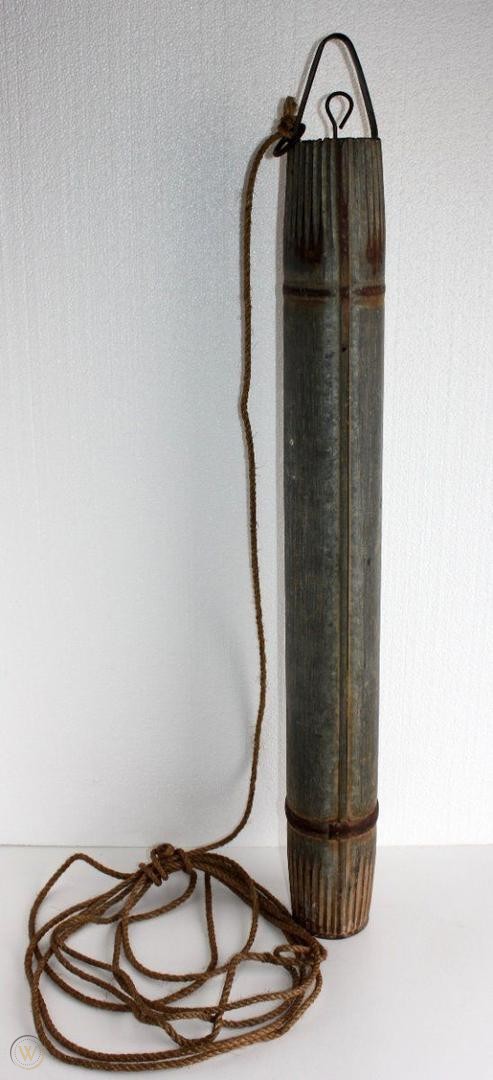
As I mentioned earlier, we moved to the home forty when I was in seventh grade. There, our well was ninety feet deep with a cylindrical shaft about five or six inches in diameter. We had a wooden frame built over the hole from which a rope and pulley hung with a cylindrical bucket on the end. We let this bucket down to the water level. The catch at the bottom of the bucket released and water filled the empty cylinder. When we began pulling the bucket back to the surface the catch closed the opening at the bottom, and the water was held inside. Once above ground, we released the water into the buckets and carried the water a quarter mile back to the house. This was the routine until my second year in high school when we had a well drilled in the yard on the east end of the house. After this, we went to the pump house when we needed another bucket of water. There was still no running water, but this option was much easier than the other two.

The Saturday wash routine continued until the summer after my second year in high school. That summer, I began working in the superintendent’s and principal’s offices where I went to school. I worked twenty hours a week on a program for disadvantaged students. During the school year, I worked ten hours a week. I assisted their secretaries with various office related tasks. Since I was working and going to school during the school year, we began going to the laundromat on Saturdays to do our washing, and I would help pay the cost. This allowed me to have the weekends free to work on the Sunday School lesson I taught on Sunday nights.

Growing up with these routines for fetching water, I learned to appreciate running water as an adult. Rarely have I had to go more than a day without it—which also means, I have rarely gone without hot water for more than a day other than the winter when my second child was a baby. Then, our water froze and stayed frozen for a month. We carried water from the milk-barn for our daily necessities during that time.

So, my lack of hot water the past few days has not been a major inconvenience. I have heated water on the stove in my water bath canner and continued to do as needed. It is times like this and the winter mentioned above when I truly appreciate the lessons of my childhood. Needless to say, it is good to have my hot water back—it was repaired this evening. Many thanks to those who made this possible. Now, I can begin my cooking for care packages I plan to send some family members later in the week.

~~~~~~~~~~

Picture Above: from WorthPoint.com.

~~~~~~~~~~

2 Year Blogging Anniversary

~~ by tkbrown ~~

14 December 2020

Happy Anniversary with WordPress.com!

You registered on WordPress.com 2 years ago.

Thanks for flying with us. Keep up the good blogging.

~~~~~~~~~~

Thank You! ~~ Thank You! ~~ Thank You!

~~~~~~~~~~

Two years ago, I decided to jump into blogging with both feet. Then, once I jumped in, I had no idea how to proceed and the cold water got the best of me. I decided to jump out and watch from the bank until I learned what to do. HaHa!

Little did I know, the learning comes from the doing — not from the watching. So, about a year ago, I decided to try again with the intention of “sink or swim.” At times, this approach has served me well and others, not so well! But, one day at a time, I am getting there — I think!

Sometimes, I get too much going and have to back off a bit. During those times, all of you — my faithful followers — have stood by me until I got my land-legs again. I appreciate the ongoing patience you have all shown me. I am sure, I will need that patience more times in the future, but hopefully it will be less and less frequently as time goes by.

With my 2 Year Anniversary with WordPress, and their most appreciated reminder of this milestone, I am looking at needing to alot time for completing my books for publication. While I will try not to appear to have dropped off the planet, I do need to space out my posts a bit as I do this publication prep work. I ask that you all bear with me as I find my pace again. I will continue all of the various types of posts I have been doing, albeit not as often with some of them.

You are Much Appreciated, and I look forward to recognizing each new milestone with each of YOU by my side! As we approach the end of this year and the beginning of a new one, I wish all of you around the world:

Happy Holidays!

~~~~~~~~~~

Nibbles of Sleep

~~ a quintain quintet
Have you ever experienced "nibbles of sleep?"
Not your routine nocturnal adventure,
these "baby-doll naps" are smidgins of deep
luxurious nods so brief--to be sure--
that one might not view them as naps at all.

Rather, they drift in akin to daydreams
with no vision to report, only sweet
bits of unconscious lapses--little seams--
linking wake times without missing a beat;
then, one might not view them as naps at all.

Not requiring a bed or break from work,
not eliciting need to fuel the forge
or requiring redirect--cause to shirk--
while wetting a whistle or stop to gorge;
so, one might not view them as naps at all.

Production moves along, hardly a blip
to interrupt thought or to slow one down,
just enough to confirm--without a slip--
the act in progress and achieve the crown.
Aye, one might not view them as naps at all.

With head held high, regal, and quite erect,
then bent forward, a nodding agreement
confirming course of thought not circumspect
and moving on to next assignment sent;
these, one might not quite view as naps at all.

~~~~~~~~~~

Photo Above: by Christophe Hautier @ Unsplash.com.

~~~~~~~~~~

Calendar Quindecims — December 2020

~~ by tkbrown
December is moving in fast,
and Thanksgiving is barely past--
or, is it? Travel, families,
Black Friday fare--those online venues--
shopping with masks, social distance--
greatly reduced deals, now's your chance!
Buy now, pay later--give better
for Christmas than ever before.
Material flare--girls and boys
each year get more expensive toys.
This year will be no different,
I'm sure--packages and love sent
to those afar off. Would I could
be there with you--for now we should
be thankful for the things we have
and for the family to love.
God, please send it o'er air by dove!

My Morning Do . . . Tears

Tears of Grief — Grief of Tears

~~ by tkbrown — ≥∑

28 November 2020 — The worldwide loss associated with the Covid-19 pandemic has, is, and will have far more impact on us as individuals, as families, as communities, as states, as countries, and as a world than we might ever imagine. There is nothing to reference in responding to these losses. Yes, there have been pandemics before, but the world population, the interaction of countries around the world and the commercial interdependence around the world are far greater than ever before, so the impact of this type of phenomena is unprecedented.

The manner in which some of the losses have occurred, the extent of loss one individual must bear, the burden on families trying to somehow fill the shoes of a person, or persons, no longer with them–these are just a few of the personal losses being experienced. Similar losses have occurred in the professional/work realm, and at the governmental realm–and we are far from done with the related losses.

I believe these losses may be part of the impetus behind the need to protest to such extent as we are seeing in society today. There is no visible, touchable culprit causing these losses in our lives. There is not a “person” we can blame and vent upon, because it is not a person who caused the losses. This invisible force is ravaging our world, and the only way we know to let others know how much we are hurting is to savagely molest something that physically represents some other area in which we feel an intangible loss.

I would encourage caution in this approach. The one thing our families, governments, world do not need right now is another area of major loss. We need to shore each other up and find healthy outlets for our grief. A house divided is a house that falls. The same applies to governments and countries. Learn to grieve in healthy ways rather than creating more pain and grief. I know the tendency may be to lash out at the first possible expression of tangible loss. Remember, this only creates layers of losses. Do what you can to relieve the situation rather than add to it.

True grief, the cleansing kind of grief, involves the shedding of tears. If we do not ever cry, we can never release all of the negative. This release allows us to truly hold the good close to our heart. Many times, I have cried for the loss of someone I love. Many other times, I have told myself to “suck it up and be and adult.” Big girls don’t cry is the message I was sending myself. The question is: “Why did I send myself that message?”

Society teaches both girls and boys not to cry. “Big girls don’t cry” and “Big boys don’t cry” are phrases children are taught as they grow. No one wants to deal with a whiney crier, so it is deeply ingrained into a person by adulthood. We all “need” to cry sometimes. When we experience a loss, it is oft important to acknowledge that loss with tears. If we do not do this, we are never truly cleansed of the negativity associated with the loss (i.e., self-talk: “I can’t go on without _____.” “I can’t do this alone.”). There are any number of negative things we may say to ourselves when loss occurs.

This, “big boys and girls don’t cry” is much more deeply instilled in boys than in girls. It is generally acceptable for a woman to cry–sometimes. After all, women are the weaker sex, so we cannot be expected to go through life without crying. Men, on the other hand, have to “suck it up.” The message sent to men says it is never ok for them to cry. To that, I say: “Hogwash!”

All of us need to cry sometimes to release the pain associated with loss. Men hurt, too, when a loss occurs. We need to make a special effort to teach boys and girls it is ok to cry when we are deeply hurt. We also should accept that there are times tears are shed from joy or gratitude–and that is ok too.

The grieving process in the loss of a dear loved one is never complete until tears are shed. If we want to let go of the negative aspects we associate with that person’s leaving us, we must release those associations with our tears.

When my Daddy and Mama died, I didn’t cry at all until the funeral (just before–on the way to it) for Daddy. When the tears started, they would not stop until I had emptied those feelings of loss and–yes, deprivation–I was feeling. I cried so hard it worried so me who were there. I knew I would never be able to see them, hug them, tell them I loved them–ever again. The pain associated with knowing this had to be released. Only then could I know I would always be able to talk to them, because they are both a part of who I am.

Just as God dwells inside me because I am His temple, there are bits of the people I have lost inside me too. It matters not whether they are family, friends, acquaintances, co-workers–whatever the interaction that made us care for them as a person–to some extent, we need to release those feelings of loss. The death of a loved one–other than Mama and Daddy–has never pulled so many tears from me before I could stop them. Yes, I love my siblings–and I cry when they die–but it is not as intense as losing Mama and Daddy. The important thing I must stress here is: the tears did not occur with that intensity again. Yes, I would tear up occasionally; sometimes, I would cry for a minute or two, but I never cried like that again. I released the intensity of the loss with those tears. This left me with the ability to remember the good parts of my life-giving interaction with them–to hold those parts of them close to my heart. It also left me able to meet the responsibilities of job, family, etc. in the days and months that followed.

This need to cry when loss occurs applies to men too. It is not likely they will cry as hard as I did, but they may. It depends on the extent of loss they are feeling. The loss of some loved ones is no less painful for them than for a woman. Society tends to instill the “no tears” approach much more deeply in men. Whether it is the loss of a person, a thing, or a place–either permanently or for a time, tears may need to be shed. The more dearly and more closely held to our heart, the greater the need for tears. This is true for men as well as for women.

I believe this message allowing tears to be shed at times can be conveyed through learning, in books, the media, social studies, and via other means. It can begin during early childhood and progress into adulthood. In this way, we can give each other–both male and female–permission to release the pain through tears. It is when this is not allowed, the grief of tears becomes a negative concept–so we learn to “suck it up, be an adult.”

The grief of unshed tears can be far more damaging to our psyche than tears of grief ever could be. Tears held in and never released may sometimes be seen as anger toward self or others, negative views of self and/or others, or in other ways too difficult to explain or discuss in a brief manner. It can cause post-traumatic stress disorder (PTSD) and require the need for extensive processing to facilitate the healing of release. Whatever the setting, eventually those tears of grief must be shed or the grief of tears begins to become the norm.

If we think we cannot release our grief–that it must be held in until it is gone–we will never allow ourselves to properly grieve. It will not go away if we hold it in. So, if we can ever truly overcome our grief, the freedom and permission to cry will be a part of the path we take to the ultimate, healthy acceptance we desire to achieve. Healthy acceptance will never mean we do not miss the object of our loss. It means we accept the loss and its importance in our lives; we give ourselves permission to grieve for that loss when the need arises. This allows us to move past the grief and back into productivity.

I know, we don’t typically think of our familial and friendship relationships as an area of productivity, but a lack of productivity in these areas means those relationships die. Thus, a lack of interaction with family and friends–when it is within our ability–signals the probability of a loss that has not yet been resolved within. An unwillingness to interact signals that irreparable damage has been allowed to develop at some point in time. If not addressed and worked through (processed)–with or without the other person–healthy relationships are not likely to occur in the future because there will be a lack of trust. This lack of trust will impede the closeness of all relationships.

So, when loss occurs, give yourself permission to cleanse the unhealthy pain by allowing the tears to wash it away. Holding that pain in will cause its own grief–separate and apart from the loss. Big girls and boys do cry sometimes. These tears allow us to go on meeting other responsibilities so long as they do not dominate our life. Don’t allow your tears of grief to become the grief of tears not released.

~~~~~~~~~~

Sources:

Kubler-Ross, Elisabeth & D. Kessler. (2014). On Grief & Grieving: Finding the Meaning of Grief Through the Five Stages of Loss. Scribner. New York.

Kirby, Stephanie. Med. Rev. by Santa, Melinda. (17 September 2020). “The 7 Stages of Grief and How They Affect You.” betterhelp at betterhelp.com. Mountain View, California: betterhelp.com. (28 November 2020). https://www.betterhelp.com/advice/grief/the-7-stages-of-grief-and-how-they-affect-you/?utm_source=AdWords&utm_medium=Search_PPC_c&utm_term=_b&utm_content=80082676786&network=g&placement=&target=&matchtype=b&utm_campaign=6459244691&ad_type=text&adposition=&gclid=Cj0KCQjwqrb7BRDlARIsACwGad7NNf5XmV3-_em0YWLV2asKoQx8ZSJ4JJZ5K4bxBrDIFplE2zwlaWoaArSQEALw_wcBl.

Eds. Web MD. Reviewed By: Goldberg, Joseph, MD. (13 April 2018). Grief and Depression. WebMD at webmd.com. (28 November 2020). https://www.webmd.com/depression/guide/depression-grief#3.

~~~~~~~~~~

Photo Above: by pen_ash at pixabay.com.

~~~~~~~~~~

My Morning Do . . . Down on the Farm — II

~~ by tkbrown —

27 November 2020 — One of my Daddy’s favorite stories to tell of my childhood was a day we were all outside, gathered round bunches of corn that had been allowed to harden on the cob. This corn was used for grain to be fed the chickens and other animals. I remember, Daddy kept a huge wooden barrel outside the fence of the pig sty. When we were fattening a hog for butchering, he kept sour-mesh in this barrel. The sour-mesh stunk–oooooohhh, did it stink–due to the fermenting process taking place. At the time, I did not understand the reason behind that odor. I just knew it stunk. Some of the corn we had in the midst of our circle on this particular day would later make its way into one of those barrels of sour mesh.

I was about four years old, so all but a couple of the older siblings were still at home. We, along with Mama and Daddy, were outside, circled around a pile of corn with the shucks still on. We were shucking corn. One of the neighbors drove by enroute to see someone further down the road. As he was driving back toward his home, he noticed we were still engaged in the shucking process, so he pulled into the drive, got out and ambled over to where we were gathered. As he talked, we continued with our work. After a while, I looked up at him for a bit, then back to the cob of corn I was shucking. After repeating this observation process several times, Daddy said I reached into the pile of corn, pulled out two cobs, one for myself, and the other I handed to our neighbor. I told him, “Everybody works at our house,” then continued with my work. Daddy said our neighbor continued talking, looked at me briefly, then shucked the ear of corn, made his excuses and left.

One of my chores during these early years was to feed the chickens. During evening chore time, I would meet Daddy at the feed house, and he would give me a bucket of mixed grains and pellets. I would take the bucket to the general area where we fed the chickens and commence calling to them. “Heeeeeerrrreee chiiiiiccccckkkeeeeee. Heeeeeerrrreee chiiiiicckkkkeeeee.” I would begin slowly taking handfuls of feed and dribble it over the ground as I walked in odd-shaped circles. The chickens came running. By the time I dropped the last of the feed from the bucket, most of it had already been consumed. Those chickens obviously relished this treat at the end of the day.

Then, Daddy–or one of my older siblings–would go round the farm with me looking for eggs. There were some places where the hens laid their eggs regularly. Occasionally, one of the hens would strike out on her own in an attempt to find a place to lay a bunch of eggs and set on them. These settin’ hens wanted to raise a brood of baby chicks. Most of the time we would find them, shew them off the nest, and get the egg(s). The hen would continue to lay and try to set on the eggs. Sometimes, she would move her nest and finally succeed.

During calving season–when the cows were birthing babies–as the calves reached weaning age they would be fed with bottles. At this time, the cow would return to being milked with the other milk-cows. They ate their grain while being milked. Milk was taken from the bulk for the calves until they were placed on a special feeding formula which was mixed with water to replace the milk in the bottles. This continued until time to either take them to the sale barn or to mingle their feedings with the haying of the general non-milking herd.

When the weaning process began, the calves were separated from the general herd so they would not feed on the mother’s milk. They would pasture in a different area during this time. As the calves grew older, we would oft have to go find them at end of day as feeding time neared. Usually, they roamed the pasture together, so it was not typically difficult to find them. A few years later, after I had started school, it became one of my chores to find the calves and bring them in for feeding.

During these early years, we cooked on a wood cookstove. So, it was also my responsibility to help carry in kindling and wood to fuel the fire while we cooked. In winter, when we also heated with wood, I was to help carry in heating wood too. At the time, I did not realize it, but this method of cooking is truly an art–especially as it pertains to baking. The oven on a wood cookstove has a temperature gage on the door. The fire in the fire box has to be kept at a steady burn to keep the oven temperature constant. This burn in the fire box is managed by feeding wood into the fire and by manipulating the damper on the pipe which exits the house via the flue.

When one grows into the cooking process in the presence of someone who manages the fire for cooking, it becomes second nature and is not viewed as requiring particular skill–but skill it does indeed require. Looking back on those years, I can see what a talent this would take. As I learned to cook on that wood cookstove, I thought nothing of it. By the time I was nine, I was quite adept at baking in that oven and tending the fire to keep the temperature constant.

So, by the age of seven or eight, growing up on a farm during the mid-twentieth century, I had learned to help with the gardening and with preserving the produce in whatever form it would be needed at a later date. That corn we were shucking earlier was also shelled from the cob so it could be bused as grain for the animals without having to stop and shell it then. I had learned to feed some of the animals, to gather eggs from the chickens and to bring in kindling and firewood for the cookstove and for the heating stove during colder months. Thus, my comment to the neighbor was never meant to be rude. It was the blatant honesty of a four-year-old who had been taught everyone works together when living on a farm.

Thanksgiving–Not as Seen Before

~~ by tkbrown — ≥∑
Thanksgiving--not as seen  before--
limiting self to hearth and home,
mask mandates anywhere you roam,
restricting groups to ten--no more--
if they gather behind closed door.
Thanksgiving--not as seen before.

The turkey--much smaller than last year--
roast and wrap with cornbread dressing.
Taunted taste buds dream of tasting--
sometimes an apple in the core
with spices, onion cut into four.
Thanksgiving--not as seen before.

Social distance is still the chant.
Some adhere while others ignore.
Dangerous surges, death counts soar--
no reason for fare to be scant.
Come one, come all--uncle and aunt.
Thanksgiving--not as seen before.

"Turkey, dressing," the constant rant--
green beans, yams, casseroles galore,
cranberry relish, pies and more.
Tasty morsels making one pant--
food is now ready, plates are sent.
Thanksgiving--not as seen before.

Some of us will abide the score
set forth by those in government
rather than risk that rudiment--
the viral germ outside the door
ruining life for the party goer.
Thanksgiving--not as seen before.

Giving thanks is the sentiment--
bonding infused with leaden ore--
the hearts of some recall the gore,
prefer to emit resentment
for losses, lives that have been bent.
Thanksgiving--not as seen before.

How to give thanks midst all the grief?
How to make mem'ries that will soar
amidst COVID's hellacious war?
How to move past and find relief,
giving thanks, not able to share?
Thanksgiving--not as seen before.

Faith doth answer, provides an oar.
It builds a raft when hearts are rent,
He is your tabernacle tent.
Row to Him, cling to His harbor,
tell Him your sorrow--aching sore.
Thanksgiving--not as seen before.

Let Him hold you, secure though bent.
Place your worries there in His care.
His love will reduce wear and tear
and calm each tempest you lament.
Peace so serene when we can vent.
Thanksgiving--not as seen before.

~~~~~~~~~~

Background Photo Above: by monicore @ pixabay.com.

~~~~~~~~~~

Heading Words Adaptation on Background Photo Above: by tkbrown – ≥∑.

~~~~~~~~~~